A home should provide comfort, functionality, and a safe environment for everyone living inside. However, as properties age and household needs change, certain features may no longer work as effectively as they once did. Worn flooring, outdated appliances, inefficient heating and cooling systems, and insufficient storage are just a few examples of issues that can indicate it’s time to make improvements. While some problems are easy to overlook, addressing them early can help homeowners avoid more expensive repairs and create a living space that better supports their everyday routines.
Recognizing when a home needs an upgrade involves looking beyond its appearance. Some improvements are intended to modernize interiors, while others address structural concerns, energy efficiency, and outdoor functionality. Understanding which areas need attention can help homeowners prioritize projects and make informed decisions about their properties.
In this article, we’ll explore common signs that a home needs an upgrade, from aging systems and visible deterioration to changing storage needs and outdated outdoor features.
1. Your Home’s Heating and Cooling Systems Are Struggling
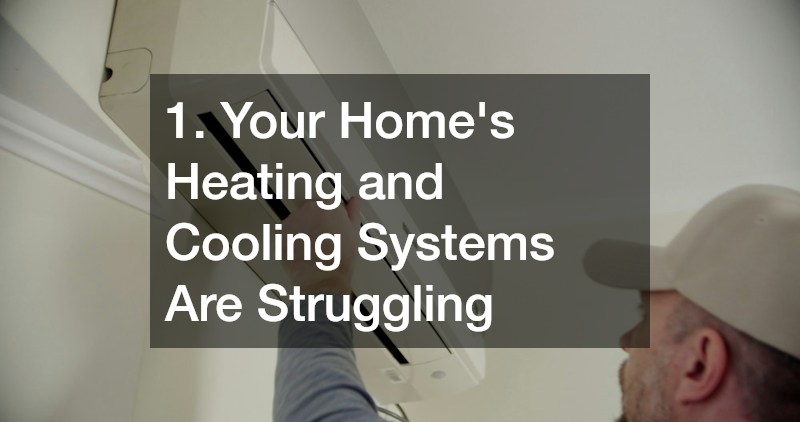
Heating and cooling systems play an important role in maintaining a comfortable indoor environment. When these systems begin experiencing problems, homeowners may notice inconsistent temperatures, unusual noises, poor airflow, or higher energy bills. These issues can indicate that equipment needs maintenance, repairs, or replacement.
An HVAC system that struggles to maintain the desired temperature may also be operating less efficiently than it should. For example, a home that feels noticeably warmer in certain rooms could have airflow problems, insulation issues, or aging equipment. Rather than continuing to adjust the thermostat, homeowners should investigate the underlying cause.
Scheduling professional HVAC services can help identify whether a system needs a repair or a more substantial upgrade. Technicians can inspect essential components, evaluate performance, and recommend improvements based on the property’s heating and cooling requirements.
Homeowners should also consider the age of their equipment. Older systems may lack the efficiency and features of newer models, making replacement worth considering when repairs become frequent or expensive. Investing in an appropriately sized, energy-efficient system can improve comfort and help manage long-term operating costs.
2. You Notice Signs of Water Damage
Water damage is one of the most important home maintenance concerns to address promptly. Leaking pipes, roof problems, plumbing failures, and drainage issues can allow moisture to accumulate in areas where it shouldn’t. Over time, this can damage drywall, flooring, insulation, and other building materials.
Some warning signs are easy to recognize, such as water stains on ceilings, bubbling paint, warped flooring, and visible discoloration. Other problems may be hidden behind walls, beneath cabinets, or under flooring. Homeowners should pay attention to persistent musty odors, unexplained moisture, and changes in the appearance of interior surfaces.
When moisture has already affected the property, professional water damage restorations may be necessary. Addressing the source of the problem is essential before repairing damaged materials or replacing affected finishes. Simply covering a stain with fresh paint won’t resolve an ongoing leak or moisture issue.
Homeowners should also inspect areas around bathrooms, kitchens, laundry rooms, and basements because these spaces frequently contain plumbing connections and water-using appliances. Addressing small leaks early can help prevent more extensive damage and protect the property’s condition.

3. Your Windows Are Outdated or No Longer Effective
Windows contribute to a home’s appearance, energy efficiency, natural lighting, and indoor comfort. However, older windows can become less effective as seals deteriorate, frames weaken, and glass develops problems. Recognizing these signs can help homeowners determine whether repairs or replacement windows are necessary.
Drafts are one common indication that windows may need attention. If outside air enters around closed windows, indoor temperatures may become harder to regulate. Homeowners might also notice condensation between glass panes, difficulty opening or closing windows, or visible deterioration around the frames.
Replacing outdated windows can improve both the appearance and functionality of a property. Modern window options come in different materials, styles, and energy-efficiency ratings, allowing homeowners to select products that complement their homes.
Working with reputable local window suppliers can make it easier to compare available styles, materials, and installation requirements. Homeowners should consider factors such as climate, maintenance needs, frame durability, and insulation performance when choosing replacements.
New windows can also make rooms feel brighter and more inviting. Larger windows or updated designs may improve the connection between indoor living spaces and outdoor views, creating a more open atmosphere.
4. Your Outdoor Storage Space Is No Longer Sufficient
A lack of storage can make an otherwise comfortable home feel crowded. As households accumulate seasonal decorations, gardening equipment, recreational items, and maintenance supplies, existing closets and garages may no longer provide enough room.
When belongings begin taking over hallways, spare bedrooms, or outdoor areas, additional storage may be a worthwhile improvement. Before adding new storage furniture, homeowners should evaluate what they already own and determine whether decluttering could free up space.
For properties with sufficient outdoor room, adding a storage shed can provide a practical solution. Sheds can accommodate lawn equipment, bicycles, tools, outdoor furniture, and other belongings that don’t need to remain inside the home.
A professional shed builder can help homeowners plan a structure that fits their available space and intended storage needs. Factors such as dimensions, materials, accessibility, ventilation, and weather resistance should be considered before construction begins.
Homeowners should also check local building requirements and property restrictions before starting a shed project. Choosing a location that doesn’t interfere with walkways, drainage, or other outdoor features can help make the addition more practical.

5. Your Interior Design No Longer Meets Your Needs
A home’s interior should reflect the needs and preferences of the people who live there. However, furniture, finishes, and room arrangements that once worked well may become less practical over time. Changing household sizes, work arrangements, and personal preferences can all create reasons to update interior spaces.
For example, a living room may feel overcrowded because the furniture is too large for the available space. A dining area might not accommodate everyone comfortably, while an outdated bedroom layout could make storage and movement difficult.
Replacing a few key furniture pieces can make a noticeable difference without requiring a complete renovation. Homeowners can consider updated seating, dining tables, storage cabinets, bed frames, and multifunctional furniture.
Visiting a local furniture store provides an opportunity to compare different styles, materials, and dimensions before making a purchase. Measuring rooms and existing furniture beforehand can help prevent buying pieces that are too large or too small.
Interior upgrades don’t always require major spending. New lighting fixtures, updated cabinet hardware, fresh paint, and thoughtfully arranged decorations can refresh a room while keeping the project manageable.
6. Your Water Supply or Plumbing Equipment Needs Attention
Reliable access to water is essential for everyday household activities. Homes that depend on private wells may experience water supply problems when important equipment begins to deteriorate. Changes in water pressure, inconsistent water flow, unusual pump noises, and frequent cycling can indicate that a well pump needs professional attention.
A malfunctioning pump can affect showers, faucets, toilets, laundry appliances, and other household fixtures. Ignoring these warning signs may lead to additional equipment problems or an unexpected loss of water.
Professional water well pump services can help homeowners evaluate pump performance, identify mechanical issues, and determine whether repairs or replacement are appropriate. Regular inspections may also help identify problems before the system stops working completely.
Homeowners should pay attention to changes in water quality as well. Unusual odors, discoloration, or sediment may indicate a problem that requires further investigation. Testing private well water periodically is an important part of maintaining a dependable household water supply.
Upgrading older plumbing fixtures may also improve everyday convenience. Modern faucets, toilets, showerheads, and water heaters offer different features and efficiency options that can support household needs.

7. Your Property Has Accumulated Too Much Unwanted Material
Home improvement projects often reveal just how much unnecessary material has accumulated over the years. Old furniture, damaged flooring, broken appliances, unused building supplies, and general household clutter can make renovation work more difficult.
A crowded garage, basement, or storage room may indicate that it’s time to organize and remove unwanted belongings. Decluttering can also make it easier to identify areas that need repairs or improvements.
For larger projects, arranging a local dumpster rental can simplify the cleanup process. Having a designated container available allows homeowners to dispose of renovation debris and unwanted household materials without repeatedly transporting small loads.
Dumpster size and rental duration should be based on the amount and type of waste involved. Homeowners should also confirm which materials are accepted and whether certain items require special disposal arrangements.
Planning cleanup before beginning a renovation can make the entire project more organized. It also helps keep work areas accessible and reduces the amount of debris that needs to be handled once improvements are complete.
8. Your Garage and Driveway Need Better Organization
Garages and driveways often serve several purposes beyond vehicle storage. They may also accommodate tools, sports equipment, gardening supplies, seasonal decorations, and household maintenance materials. When these areas become difficult to navigate, upgrades may improve both safety and convenience.
Homeowners can start by evaluating how much space is being used for storage versus parking. Installing wall-mounted shelving, overhead storage racks, cabinets, and hooks can help move belongings off the floor and create more usable space.
Garage flooring may also deserve attention. Cracked concrete, uneven surfaces, and persistent stains can make the area look neglected. Depending on the condition of the existing floor, homeowners might consider repairs, resurfacing, or a protective coating.
Driveways should be inspected for cracks, drainage problems, and uneven sections. Addressing these concerns can improve accessibility and help prevent deterioration from spreading. Better outdoor lighting can also make entering and leaving the garage safer, particularly at night.
9. Your Outdoor Boundaries No Longer Provide Privacy or Security
Fencing is an important feature for many properties because it helps establish boundaries, improve privacy, and create safer outdoor areas. However, fences can deteriorate over time due to weather exposure, moisture, pests, and general wear.
Leaning sections, loose boards, rusted hardware, damaged posts, and missing panels are all signs that an existing fence may need repairs or replacement. Homeowners should also consider whether their current fencing provides enough privacy or adequately accommodates children and pets.
A new fence installation can improve the property’s appearance while making outdoor spaces more functional. Available options include wood, vinyl, aluminum, and other materials, each offering different maintenance requirements and visual characteristics.
Before beginning a fencing project, homeowners should consider property boundaries, local regulations, material costs, and intended use. For example, a decorative front-yard fence may have different requirements than a privacy fence surrounding a backyard.
Upgrading an aging fence can also complement other landscaping improvements. Coordinating its color and design with the home’s exterior can create a more cohesive appearance.
10. Your Home’s Exterior Shows Visible Signs of Aging
The exterior of a home is constantly exposed to sunlight, rain, wind, temperature changes, and other environmental conditions. Over time, these elements can affect siding, roofing, gutters, paint, and other exterior features.
Peeling paint, cracked siding, damaged shingles, clogged gutters, and deteriorating trim can indicate that maintenance or replacement work is needed. These issues shouldn’t be ignored simply because they don’t immediately affect the appearance of interior rooms.
Homeowners should inspect their property’s exterior periodically and pay attention to areas where moisture may enter. Roof edges, window frames, foundation walls, and exterior doors deserve particular attention because damage in these locations can contribute to more extensive problems.
Refreshing exterior paint, repairing siding, replacing worn trim, and improving drainage can help maintain the property’s appearance and condition. Homeowners may also consider updating exterior lighting, entry doors, and landscaping to create a more welcoming entrance.
A well-maintained exterior contributes to curb appeal, but its importance extends beyond appearance. Keeping essential exterior components in good condition helps protect the home from weather exposure and premature deterioration.
11. Your Home No Longer Supports Your Changing Lifestyle
Sometimes, a home needs an upgrade not because something is broken, but because the household’s needs have changed. A growing family, a new remote work arrangement, or an older household member may create new requirements for space, accessibility, and convenience.
For example, homeowners who previously used a spare bedroom for storage might now need a dedicated home office. A family with young children may benefit from more organized play areas, while homeowners planning to age in place may want to improve accessibility.
These changes don’t always require major construction. Reconfiguring furniture, adding storage, improving lighting, and updating room layouts can make existing spaces more functional.
For homeowners preparing to relocate because their current property no longer meets their needs, contacting local moving companies can help simplify the transition. Professional movers can assist with packing, transporting furniture, and organizing the move into a home that better accommodates changing household requirements.
Homeowners should identify their most pressing needs before deciding which improvements to prioritize. Thinking about both current routines and future requirements can help prevent unnecessary renovations.
12. Your Energy Bills Keep Increasing
Unexpected increases in household energy expenses may indicate that certain features of a home are no longer operating efficiently. Older appliances, inadequate insulation, air leaks, outdated windows, and aging heating and cooling equipment can all contribute to higher energy consumption.
Homeowners should compare utility bills over time and look for patterns rather than assuming every increase is caused by seasonal weather. An energy assessment may help identify areas where improvements could make the greatest difference.
Adding insulation to attics, sealing gaps around doors, replacing inefficient appliances, and upgrading lighting are potential ways to improve household efficiency. Smart thermostats can also provide greater control over heating and cooling schedules.
It’s important to consider the condition of the entire home rather than replacing equipment without investigating other potential problems. For example, installing a new HVAC system may not resolve comfort issues if significant air leaks or insulation deficiencies remain.
Prioritizing improvements based on their potential benefits can help homeowners manage project costs while making their properties more comfortable.
13. Your Outdoor Fuel and Utility Arrangements Need Updating
Outdoor improvements aren’t limited to landscaping and fencing. Homeowners who use propane for heating, cooking, or outdoor appliances should also consider whether their existing fuel arrangements continue to meet household needs.
Running out of propane unexpectedly can disrupt essential household activities, particularly during colder months. Monitoring fuel levels and scheduling propane tank refills before supplies become critically low can help prevent interruptions.
Homeowners should also inspect the visible condition of their propane equipment and surrounding areas. Any concerns involving leaks, damaged components, or unusual odors should be handled by qualified professionals rather than through do-it-yourself repairs.
As household energy needs change, it may also be worthwhile to evaluate whether existing equipment is appropriately sized and functioning efficiently. Keeping utility systems in good condition supports the overall comfort and reliability of a property.
Recognizing the signs that your home needs an upgrade can help you maintain a comfortable, functional, and attractive living environment. From aging heating and cooling equipment to water damage, outdated windows, insufficient storage, and deteriorating outdoor features, different warning signs can reveal where improvements are needed. Addressing these concerns before they become more serious can also help homeowners manage maintenance costs and protect their properties over time.
Not every upgrade needs to happen immediately, and some projects may be more important than others. By evaluating household needs, identifying potential problems, and establishing a realistic improvement budget, homeowners can make thoughtful decisions about where to invest their time and resources. Ultimately, the right upgrades can make a home better suited to everyday life while supporting its long-term condition and value.